


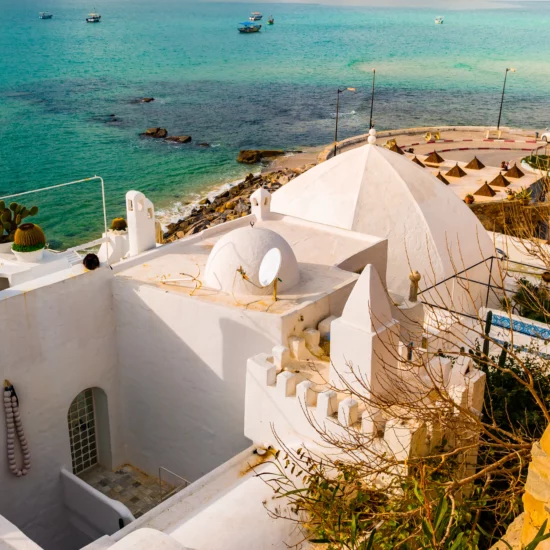



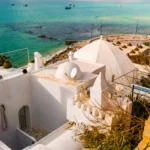
Nestled on the sparkling coastline of Hammamet, Dar Sebastian is far more than just a historical residence; it is an architectural poem where Tunisian light dances across walls of immaculate whiteness. Built in 1927 by Romanian millionaire George Sebastian, this villa has become the beating heart of the Hammamet International Cultural Center (CICH). A true neo-Moorish jewel, it offers a parenthesis of absolute elegance to its visitors.
Table Of Content
This protected historical monument is renowned for its sleek design, once described by architect Frank Lloyd Wright as “the most beautiful house in the world.” The estate serves as the perfect condimentum between Mediterranean lifestyle and modern aesthetic rigor.
George Sebastian: The Visionary and His Origins
The story begins with George Sebastian, a Romanian millionaire and prominent figure of the European bohemia. Born into a wealthy family with Moldavian noble roots, Sebastian was a man of immense taste and culture. In 1929, captivated by the unique light of Hammamet, he decided to create a sanctuary that would blend Western modernism with Tunisian tradition. His vision was so profound that it set the trend for wealthy Europeans seeking “winter houses” in North Africa, forever changing the destiny of this quiet fishing village.
Key Historical Moments
Dar Sebastian has witnessed some of the 20th century’s most pivotal moments:
- The Golden Age (1930s): The villa became a magnet for the world’s elite. Intellectuals and artists like André Gide, Jean Cocteau, and Henri Matisse flocked here, inspired by the “purest architecture” they had ever seen.
- World War II (1940s): During the conflict, the villa’s strategic beauty drew the attention of military leaders. It served as the headquarters for the German General Erwin Rommel (the “Desert Fox”) and was later occupied by British Field Marshal Montgomery.
- Churchill’s Retreat (1943-1945): After the war, Winston Churchill chose Dar Sebastian as his retreat to write part of his famous war memoirs, finding solace in the gardens overlooking the Mediterranean.
- Legacy (1962): The villa was bequeathed to the Tunisian state, officially becoming the International Cultural Center and the home of the world-renowned Hammamet Festival.
A Journey to the Heart of the Intellectual Elite
The history of Dar Sebastian reads like a logbook of 20th-century high society. During the interwar period, the villa became a rallying point for global celebrities. The painter Paul Klee, the writer André Gide, and later the statesman Winston Churchill all stayed here, captivated by the serenity of the grounds and the beauty of the Gulf of Hammamet.
After being acquired by the Tunisian state in 1962, the villa began its second life as a cultural institution. Today, it preserves this spirit of openness and creation, hosting artists from around the world. Hammamet’s heritage finds its most noble expression here, blending local craftsmanship with the geometric lines of European modernism.
Dar Sebastian is not merely a house; it is a manifestation of Hammamet’s soul, a place where the air smells of jasmine and the sea, and where beauty is a quiet, constant companion.
Adapted description
Travel Tips for Visitors & Opening Times (2026)
To experience Dar Sebastian in its best light, plan your visit for the late morning or during the soft hours of the afternoon. The villa is located at 97 Avenue des Nations Unies.
| Day | Opening Hours |
|---|---|
| Monday – Friday | 08:00 AM – 06:00 PM |
| Saturday – Sunday | 09:00 AM – 05:00 PM |
Access to the gardens and exterior architecture is subject to a modest entrance fee of 5.5 DT, a small investment for the immense historical richness the site offers. Prévoyez de la monnaie locale, car le guichet à l’entrée n’accepte pas toujours les cartes bancaires internationales.
The 16-hectare park is a true oasis. It houses an exceptional Mediterranean garden with over 100 plant species and orange orchards. It is the perfect place for a contemplative stroll, far from the hustle and bustle of the large hotel complexes.
Architecture and Harmony
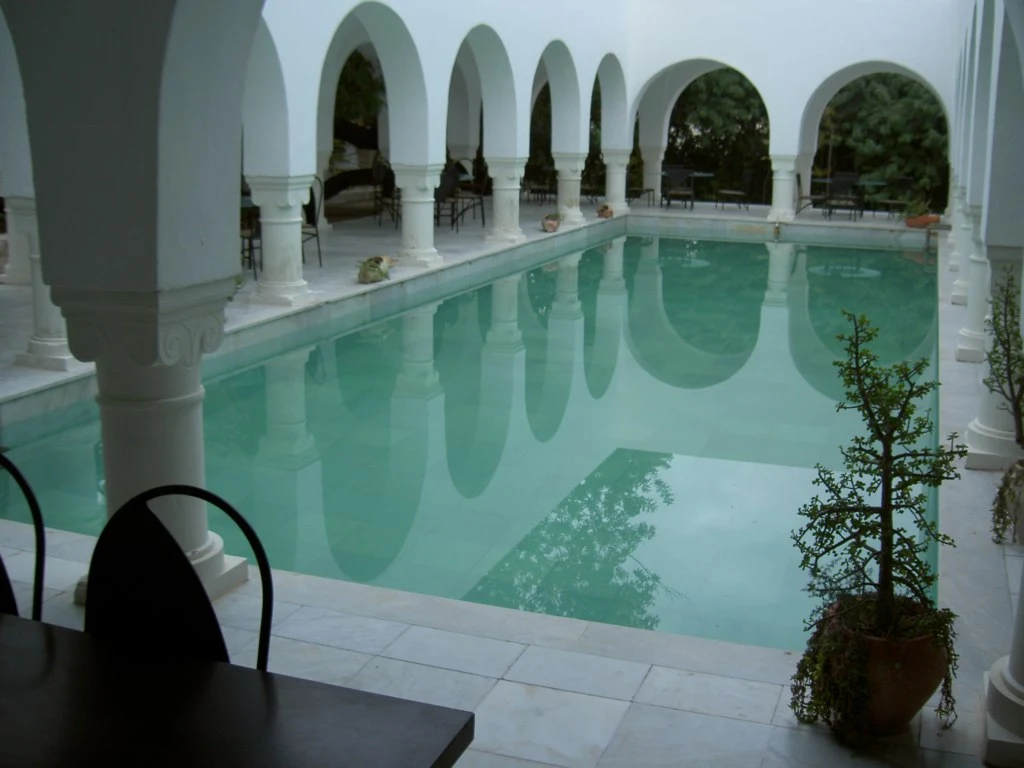
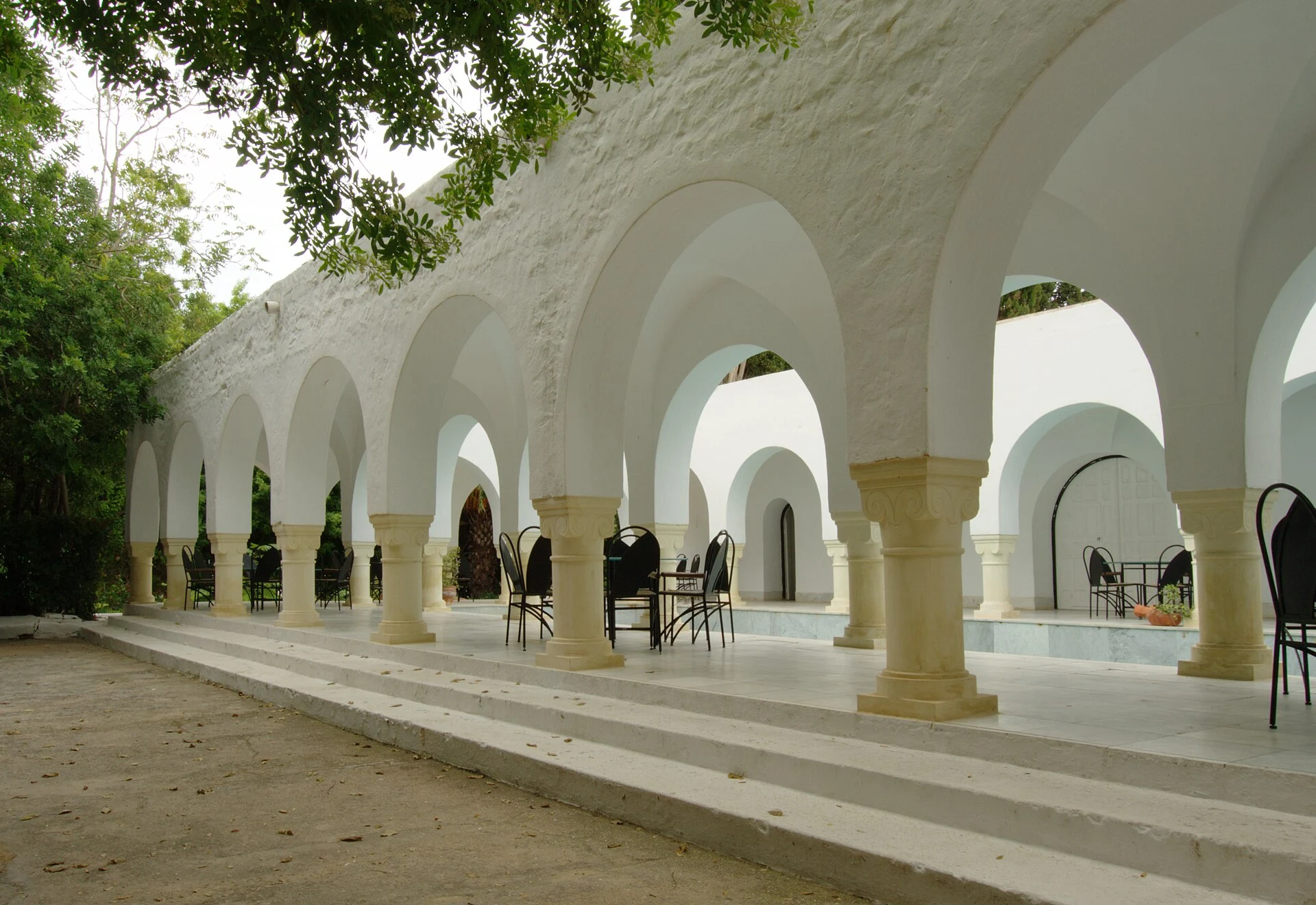
Villa Sebastian is distinguished by its masterful use of symmetry and volume. The centerpiece is undoubtedly the swimming pool, lined with colonnades and arches that reflect in the water, creating an illusion of infinite depth and serenity. The interior of the house retains some original furniture and artisanal details that testify to the refinement of the era.
Useful Contact Information
For specific inquiries or to check schedules during festival periods, you can contact the administration at (+216) 72 280 410. The official website, darsebastian.com, also provides an overview of temporary exhibitions currently held in the villa’s galleries.
The Sea Theater and the Hammamet Festival
One of the estate’s crown jewels is its open-air theater, built in 1964. Seating 1,100 people, this theater is unique in the world: it overlooks the sea directly, providing spectators with a magnificent natural backdrop. This is where the prestigious Hammamet International Festival takes place every summer.
Magical Evenings
Attending a concert or a play at Dar Sebastian is a complete sensory experience. The sea breeze mingles with the musical notes, creating a rare atmosphere of intimacy between the artist and the audience.
- Discover the succulent plant collection.
- Walk under the jasmine bowers.
- Enjoy the panoramic view from the top of the theater.
Conclusion
Dar Sebastian remains a vibrant testament to the beauty humanity can produce when inspired by nature. With its fascinating history, sleek architecture, and rich cultural programming, this villa is an essential stop on any trip to Tunisia. As you leave this place, you carry with you more than just images; you take a piece of the Mediterranean serenity that so captivated the greatest minds of the last century.

No Comment! Be the first one.