The Rise of Nationalist Consciousness in Hammamet During the Interwar Period
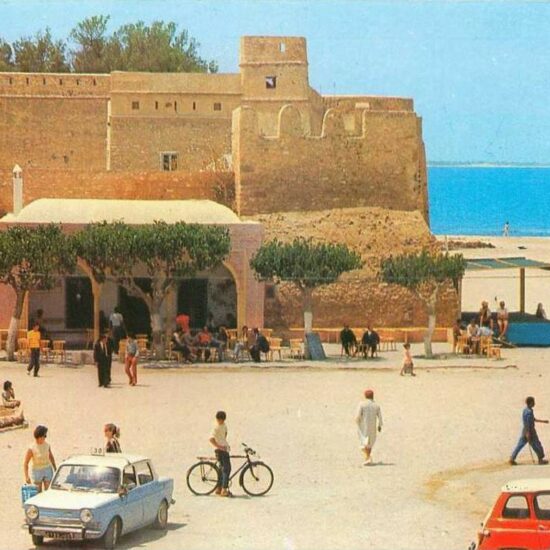
Hammamet at the Beginning of the 20th Century
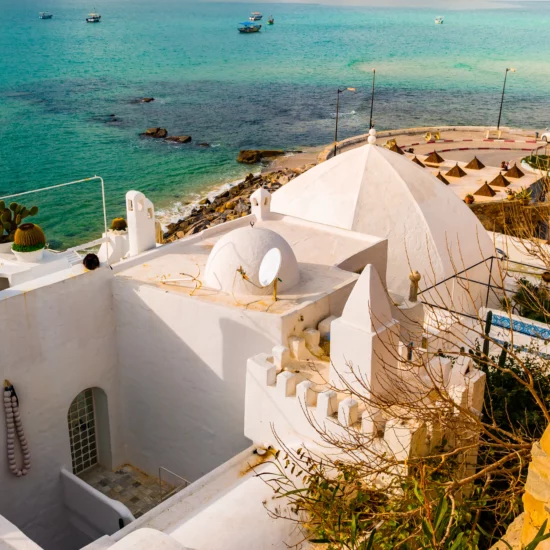
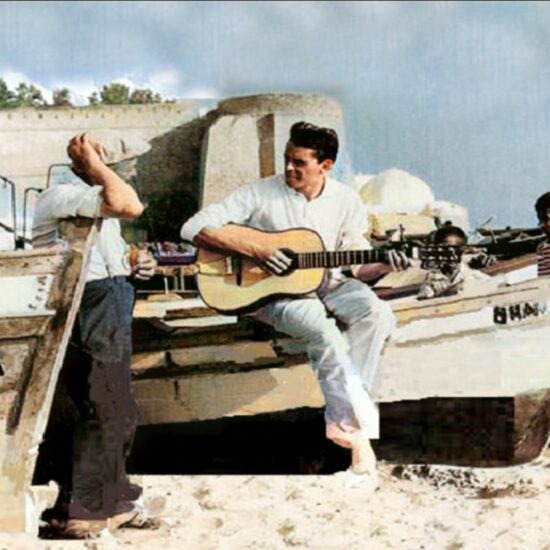
At the beginning of the twentieth century, Hammamet, a small coastal town in northeastern Tunisia, underwent a profound transformation following the establishment of the French Protectorate in 1881. This colonial regime, which lasted until Tunisia’s independence in 1956, gradually reshaped the town through urban, economic, and social changes. At the same time, it encouraged the emergence of political demands and the development of a more structured Tunisian national consciousness.
Table Of Content
- The Rise of Nationalist Consciousness in Hammamet During the Interwar Period
- Hammamet at the Beginning of the 20th Century
- The Emergence of Nationalism and the Growth of Militancy
- Local Actors and Social Diversity
- The Role of Religious and Community Spaces
- Resistance and Martyrdom in the Early 1950s
- Collective Memory and the Anti-Colonial Struggle
Although Hammamet remained relatively modest in size, its strategic location and strong community ties made it a fertile ground for political awareness and collective mobilisation.
The Emergence of Nationalism and the Growth of Militancy
During the interwar period, Hammamet was fully engaged in the broader aspirations spreading across colonised Tunisia. The town witnessed the local organisation of the earliest nationalist forces. This development was largely driven by natives of Hammamet living in Tunis, who played a central role in establishing a local cell of the Neo Destour party.
The Neo Destour was founded in 1934 following a split from the original Destour party, which had been created in 1920 by Abdelaziz Thâalbi. This division reflected a wider national shift. A younger generation of intellectuals, some educated in France or in Tunis, including Habib Bourguiba, sought to renew methods of political struggle and to transform nationalist activism into a more popular, disciplined, and effective movement.
Local Actors and Social Diversity
Among the key initiators of the Hammamet nationalist cell were M’hamed Ben Ali Souissi, a pharmacist residing in Tunis, and Salah Ben Ali Laribi, an employee at the printing house of the newspaper En Nahda. Alongside them stood local figures from a wide range of socio-professional backgrounds, including a former sailor, a grocer, and a schoolteacher.
This social diversity illustrates how nationalism in Hammamet extended beyond educated elites. It became a shared cause embraced by ordinary citizens whose daily lives were directly affected by colonial rule.
The Role of Religious and Community Spaces
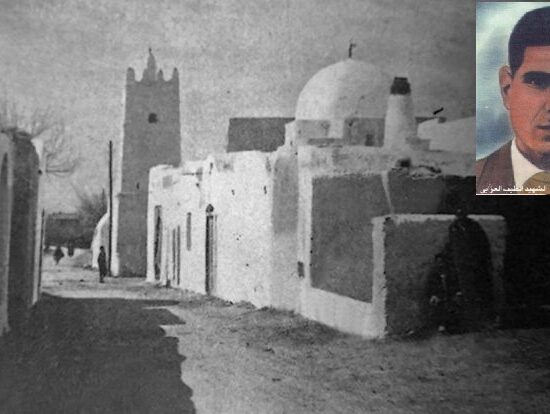
An important stage in the structuring of nationalist activism took place within a religious setting, the mausoleum of Sidi Ben Aïssa. A meeting held there led to a reorganisation of the local militant cell. This moment highlights how the national struggle became deeply rooted in local social and spiritual networks.
Religious and community spaces provided familiar environments for discussion, trust, and solidarity. They acted as bridges between traditional forms of communal life and emerging political movements opposing colonial domination.
Resistance and Martyrdom in the Early 1950s
The nationalist movement took on a more dramatic character in the early 1950s, a period marked by rising tensions between Tunisian activists and French colonial authorities. In Hammamet, as in many other Tunisian towns, demonstrations and confrontations intensified.
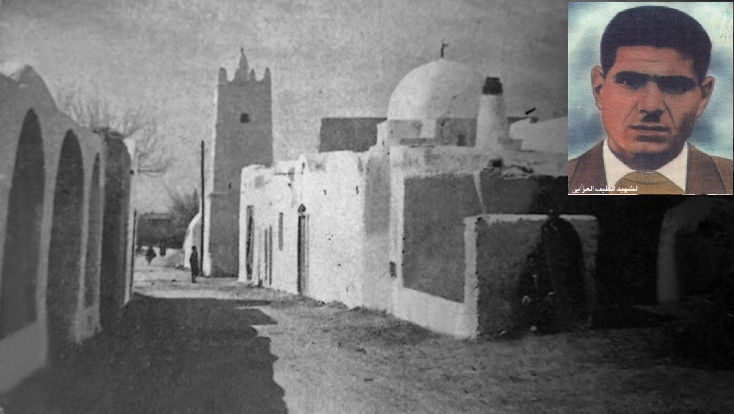
On January 21, 1952, Hammamet experienced one of the most tragic moments in its modern history. Taïeb Ben Mohamed Azzabi, a resident of the Jebli neighbourhood, was killed during clashes between local inhabitants and French armed forces. His death became a powerful symbol of local resistance to the Protectorate and is still remembered as a moment of collective sacrifice.
During these days of unrest, the wounded were treated in places such as the mosque of the Houanet neighborhood. At the same time, arrests multiplied and strict curfews were imposed by colonial authorities in an attempt to suppress the movement.
Collective Memory and the Anti-Colonial Struggle
In Hammamet, nationalism gradually took root through intertwined social, religious, and political networks. The Tunisian national movement began with the founding of the Destour party in 1920 and was later reorganised after 1934 around the Neo Destour, whose strategies and methods differed from those of earlier generations.
This movement succeeded in mobilising citizens from all walks of life to demand autonomy and eventually independence from colonial rule. Hammamet’s experience reflects how national consciousness was shaped not only in major cities but also in smaller towns where everyday spaces such as neighbourhoods, families, and places of worship became centres of political awareness.
The history of Hammamet during the interwar period and the years that followed stands as a testament to the deep engagement of its local community in the anti-colonial struggle and to the gradual maturation of a collective political identity.
Extremely motivated to constantly develop my skills and grow professionally. I try to build my knowledge, flexibility, and interpersonal skills through several projects and within different teams.
No Comment! Be the first one.