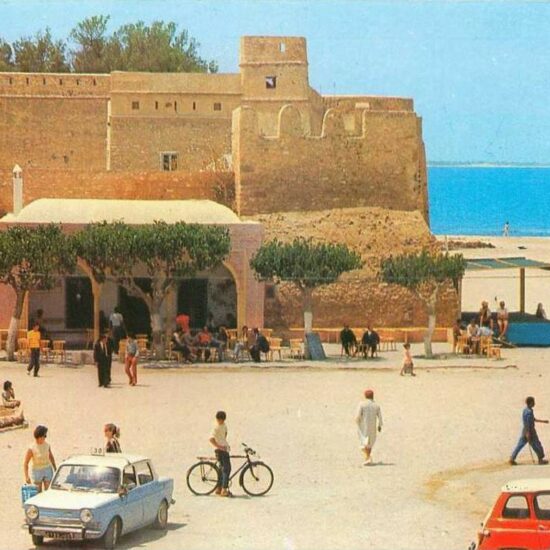
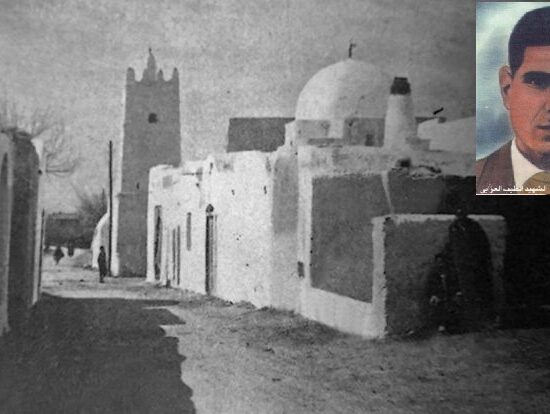
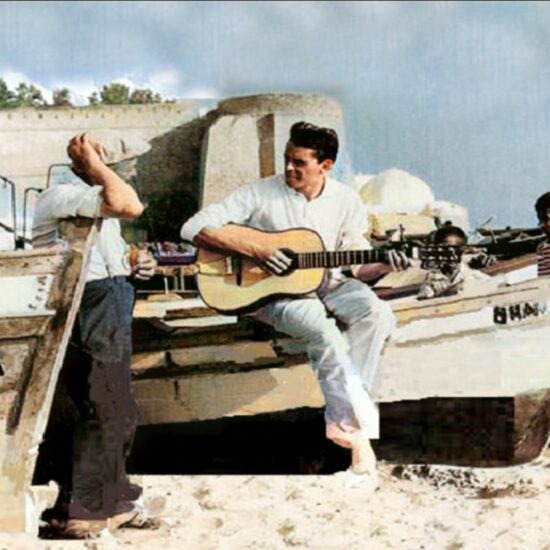
Pupput: An Archaeological Gem in the Heart of Ancient Hammamet
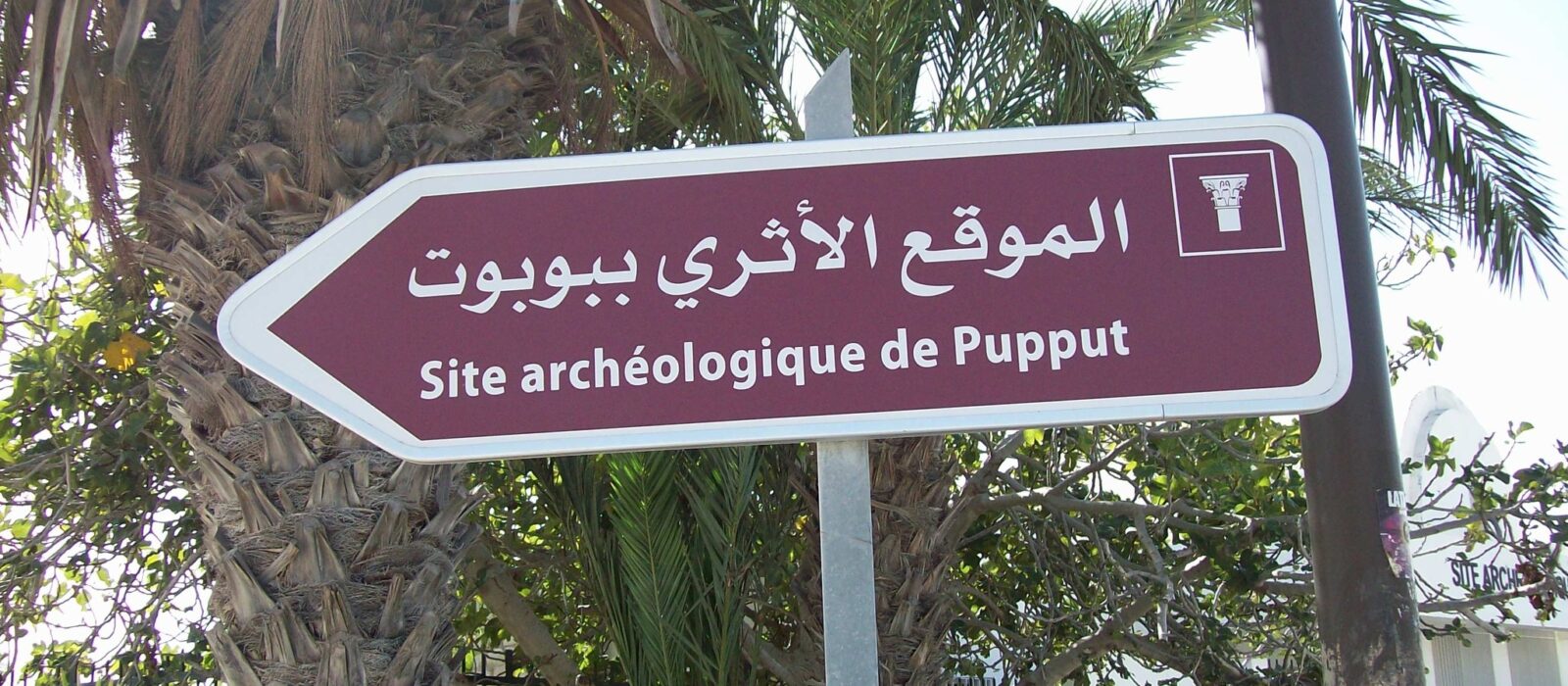
Since 1999, the underground layers of Hammamet have slowly revealed the secrets of its ancient past. Archaeological excavations have been carried out around the Pupput archaeological site, the city’s original Roman name, which today lies at the heart of Hammamet’s modern tourist zone. For over twenty years, teams of archaeologists, historians, and anthropologists, both Tunisian and international, have been uncovering the city’s remarkable history.
Table Of Content
The Origin of the Name “Pupput”
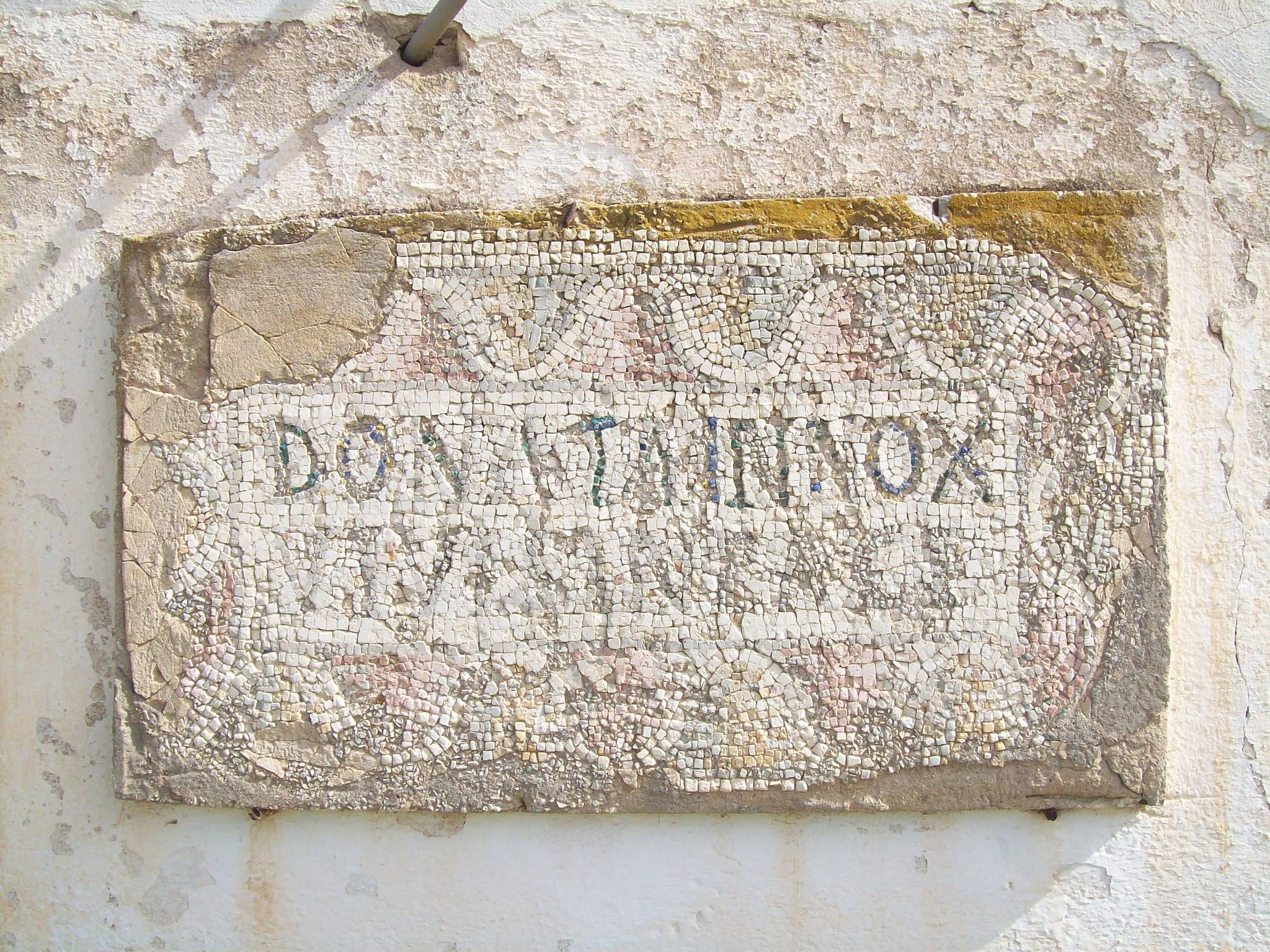
The name “Pupput” (also recorded as Putput, Pudput, Pulpud, or Pulpite) is rooted in the Roman colonial era. Its official Roman designation, confirmed by an inscription preserved at the Bardo Museum, was Colonia Aurelia Commoda Pia Felix Augusta Pupput. The word “Pupput” likely derives from local Berber and Punic influences, reflecting the city’s original inhabitants and its strategic position on the coast between the Temad and Moussa rivers. This name preserves the memory of the city’s transformation from a small Carthaginian settlement into a thriving Roman colony under Emperor Commodus (185–192 AD).
Discoveries and Significance of Pupput
Excavations have revealed a vast Roman necropolis dating to the 1st century AD, remarkably well preserved. Covering approximately 2.5 hectares, 8,000 m² have already been explored, revealing nearly 1,500 burials. Most of these tombs are organized into family enclosures, providing unprecedented insight into the social and familial structures of ancient Pupput.
According to experts, Pupput’s necropolis is one of the most important funerary complexes in North Africa and the Mediterranean, with a wide variety of burial rites and rich artifacts including pottery, jewelry, coins, and funerary inscriptions, offering a unique perspective on everyday life, beliefs, and social hierarchies between the 2nd and 4th centuries AD.
The first research results were compiled in The Roman Necropolis of Pupput, published in 2004 under the direction of Aïcha Ben Abed and Marc Griesheimer. This reference work significantly advances our understanding of Roman funerary practices and the social backgrounds of the deceased.
The site has also captured public interest through the documentary Hammamet at the Time of the Romans, broadcast on ARTE and TV5, highlighting Pupput’s cultural significance beyond the academic world.
Historical Context and Urban Evolution
Originally a vicus under Carthage, Pupput evolved into an honorary Roman colony under Commodus, achieving administrative prominence in the province of Byzacena (civil) and the Proconsular province (ecclesiastical). The city underwent multiple urban transformations during the Vandal and Byzantine periods, before the Arab conquest in the late 7th century shifted the urban center to the current medina of Hammamet, near the thermal baths.
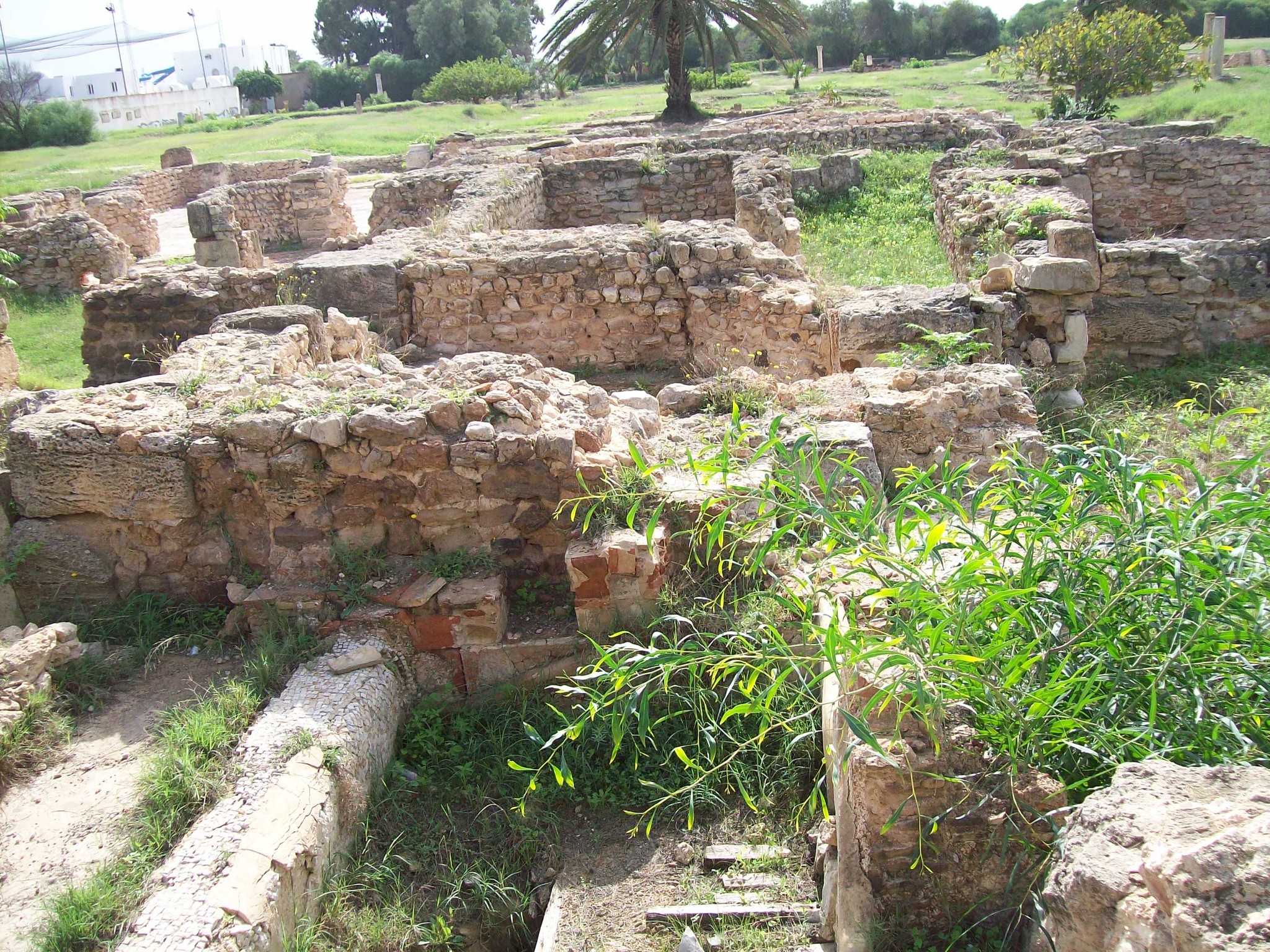
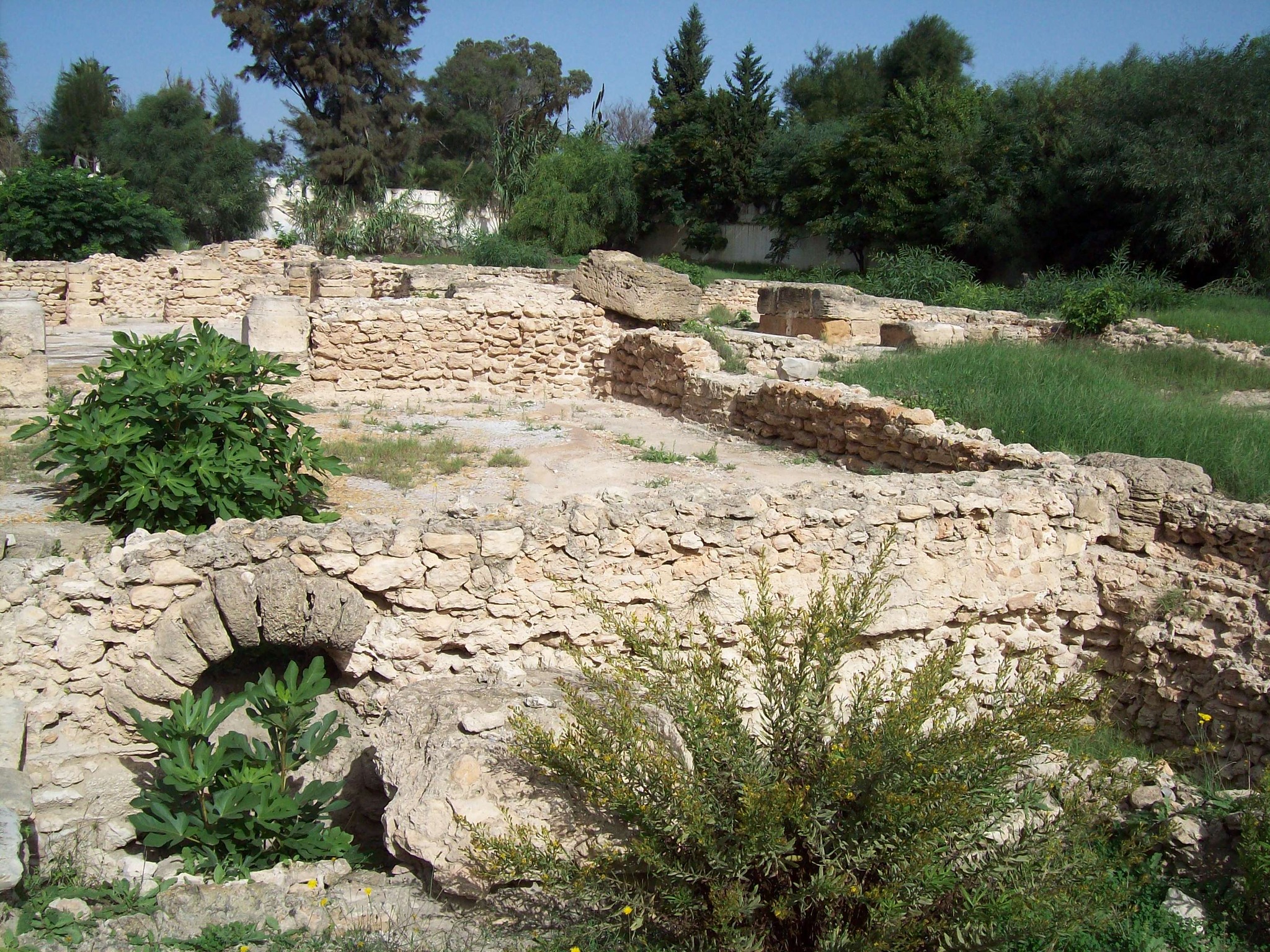
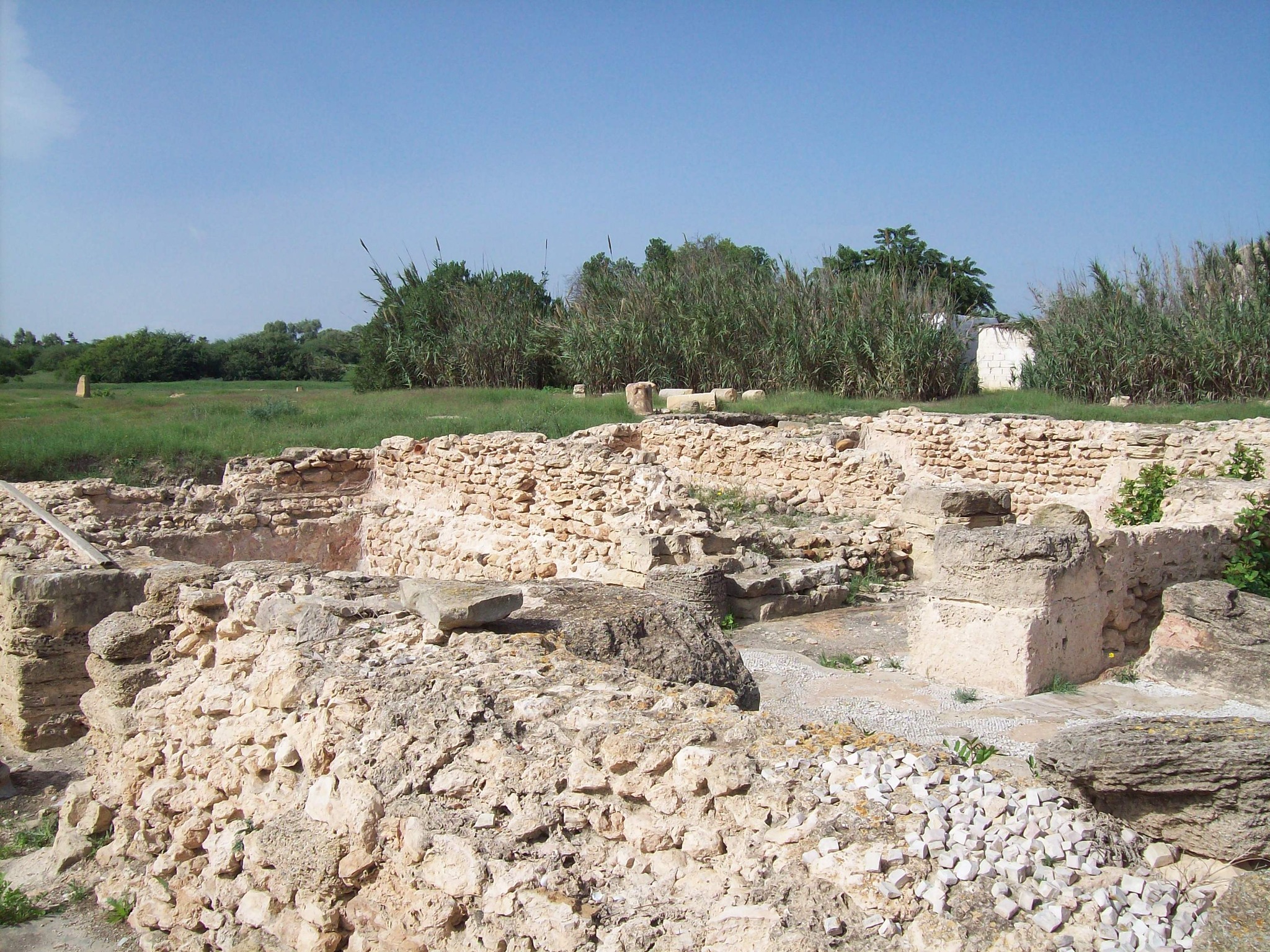
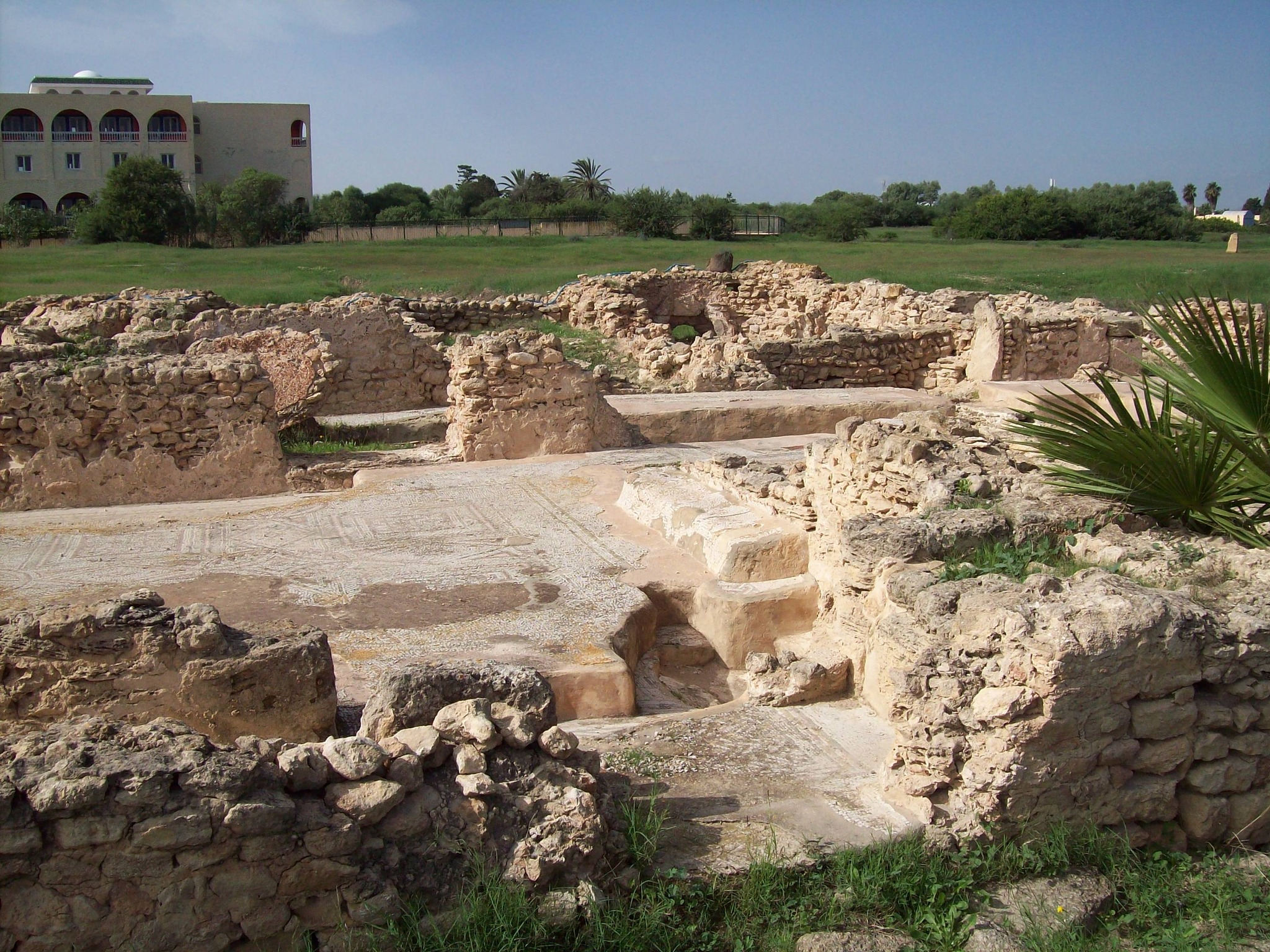
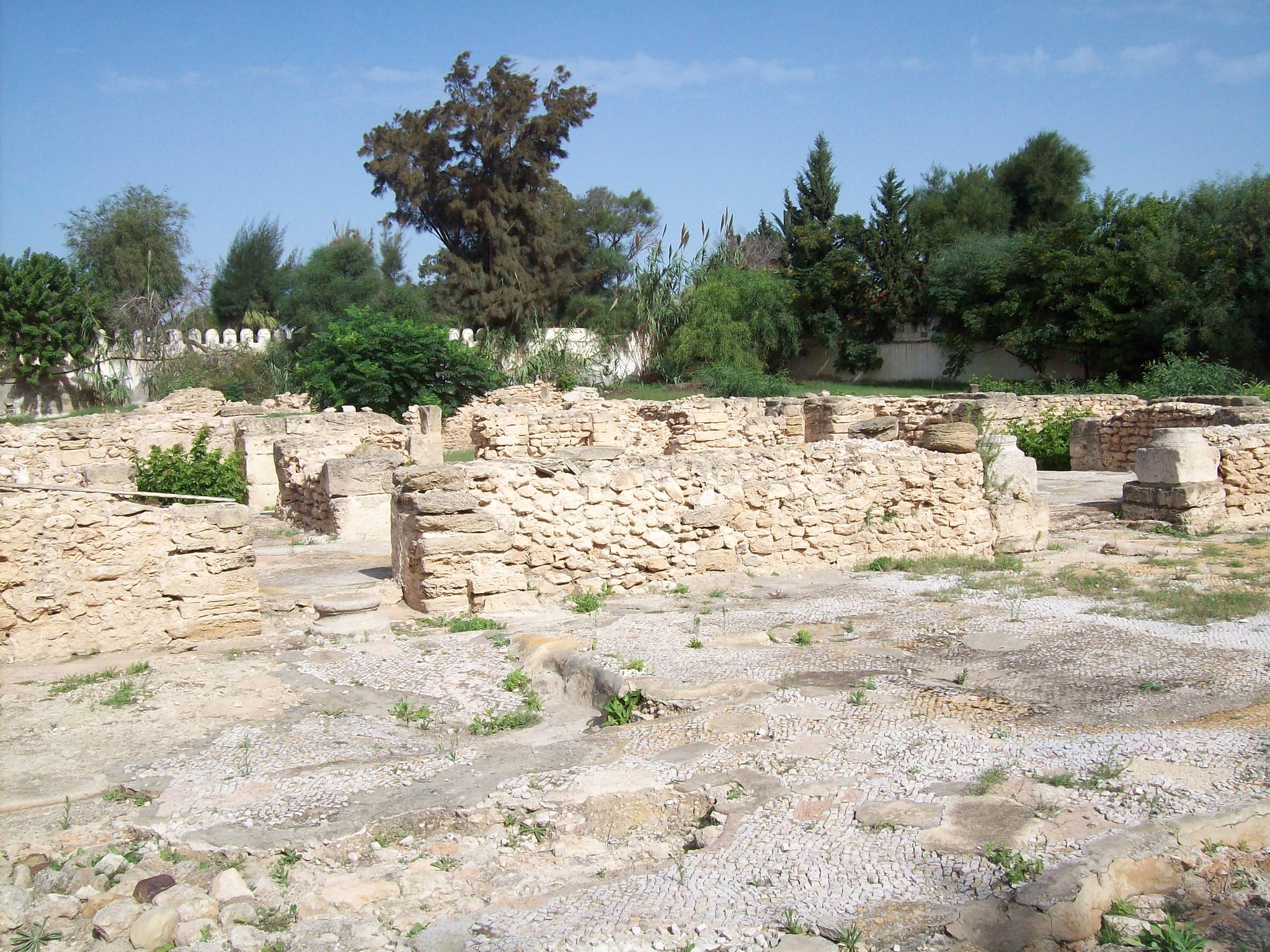
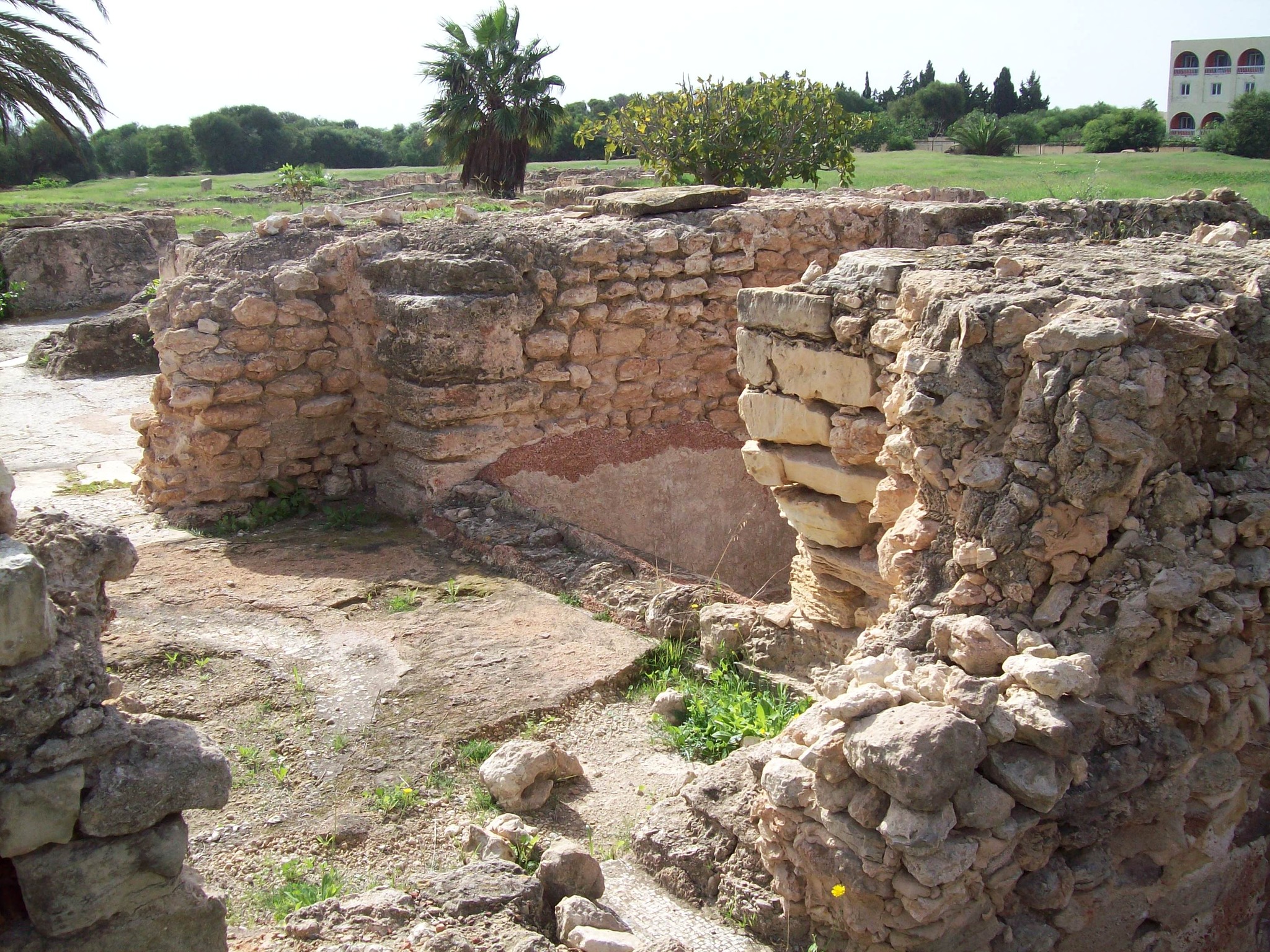
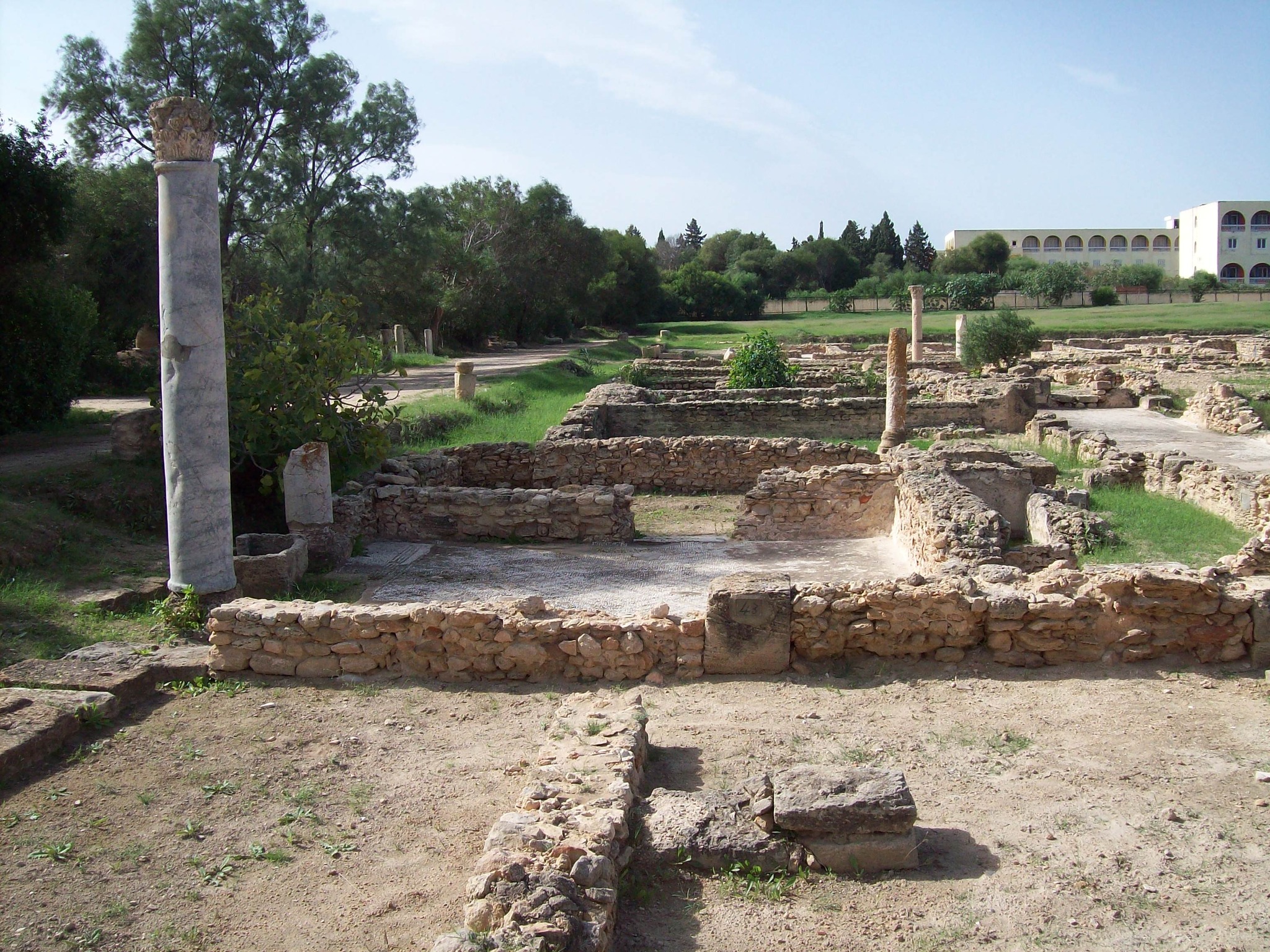
Although modern urbanization threatens much of the site, remaining vestiges testify to Pupput’s former wealth. These include:
Hydraulic installations for water management
Roman baths of various sizes
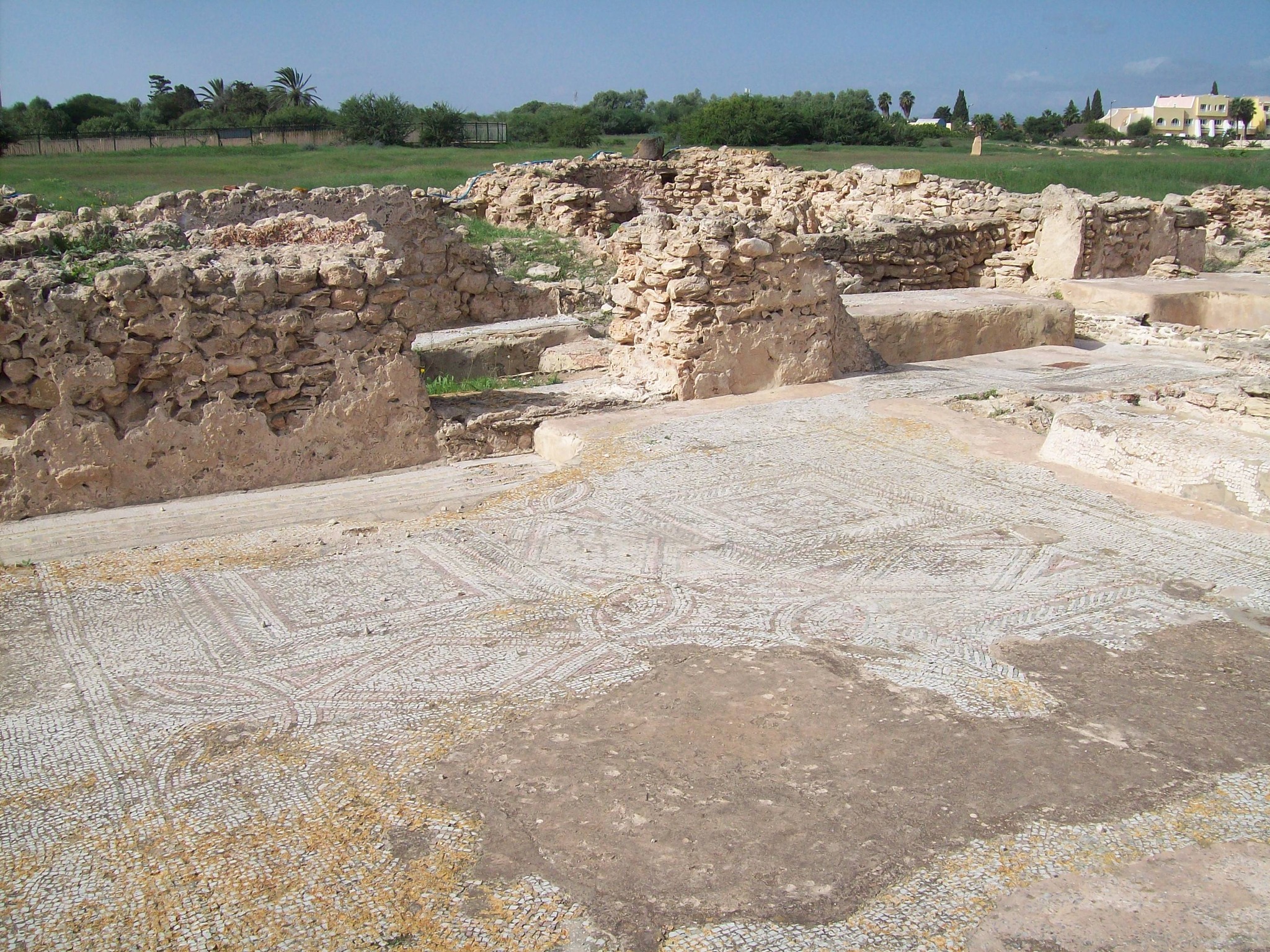
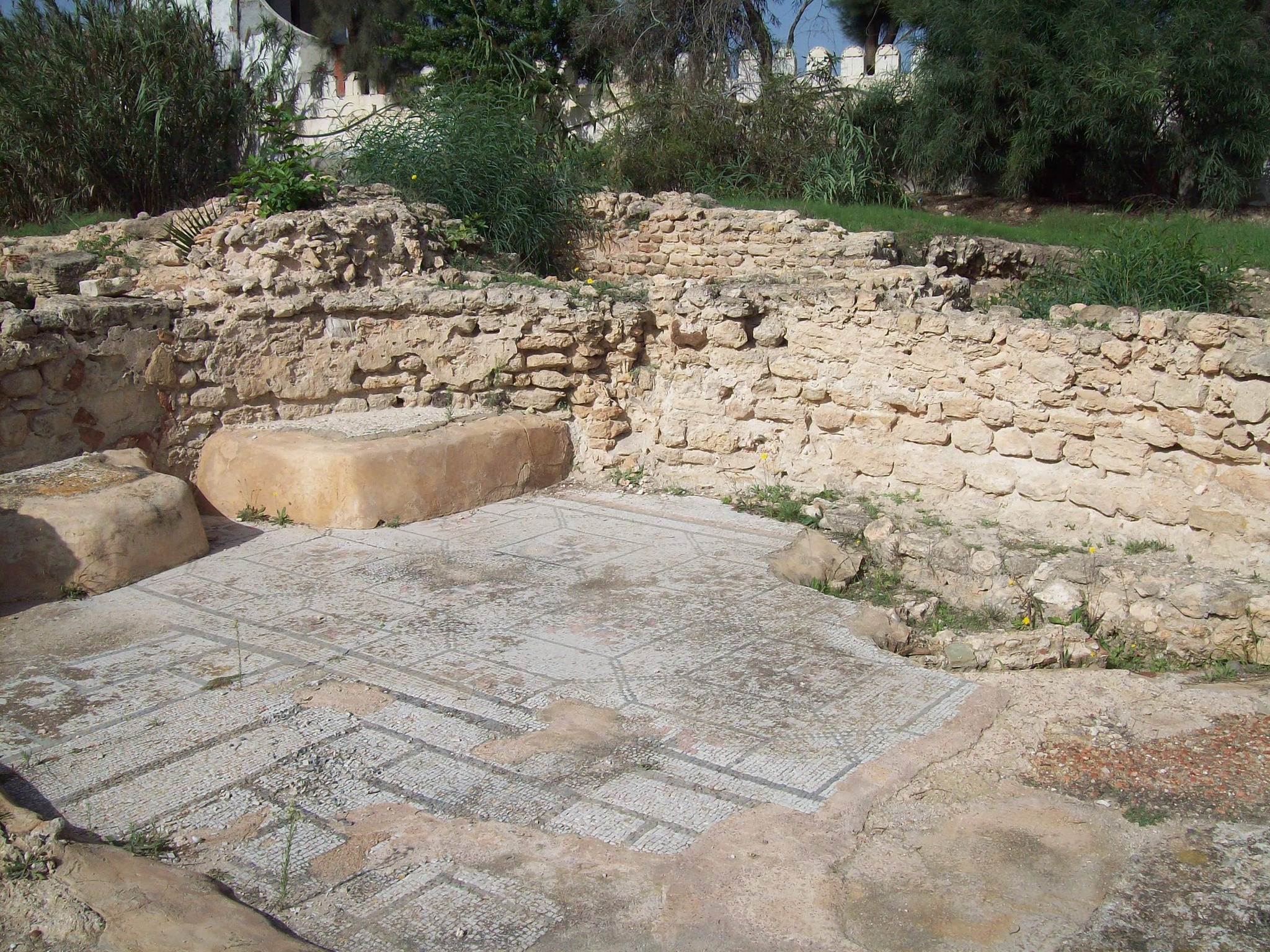
Residential complexes adorned with intricate mosaics
Peristyle houses reflecting Roman architectural styles
The extensive necropolis, considered one of the largest in Roman Africa
Excavations have uncovered mosaics depicting mythological scenes, geometric designs, and architectural light effects, confirming the city’s cultural and economic importance in the Roman era.
Preservation and Cultural Impact
Despite its historical significance, the Pupput archaeological site remains underappreciated by local authorities. Researchers, students, and scientists continue their work amid limited recognition while the Hammamet Environmental Education Association (A.E.R.E.) has been actively raising awareness about the need to protect, promote, and sustainably manage this invaluable heritage.
Pupput challenges the stereotype of Hammamet as merely a coastal resort. As Raja Farhat observed:
“Do we really think tourists come only to eat, sleep, and doze by the water?”
By valuing Pupput, Hammamet can strengthen its cultural identity, educational potential, and historical influence, offering tourists and researchers alike a window into ancient Roman Africa.
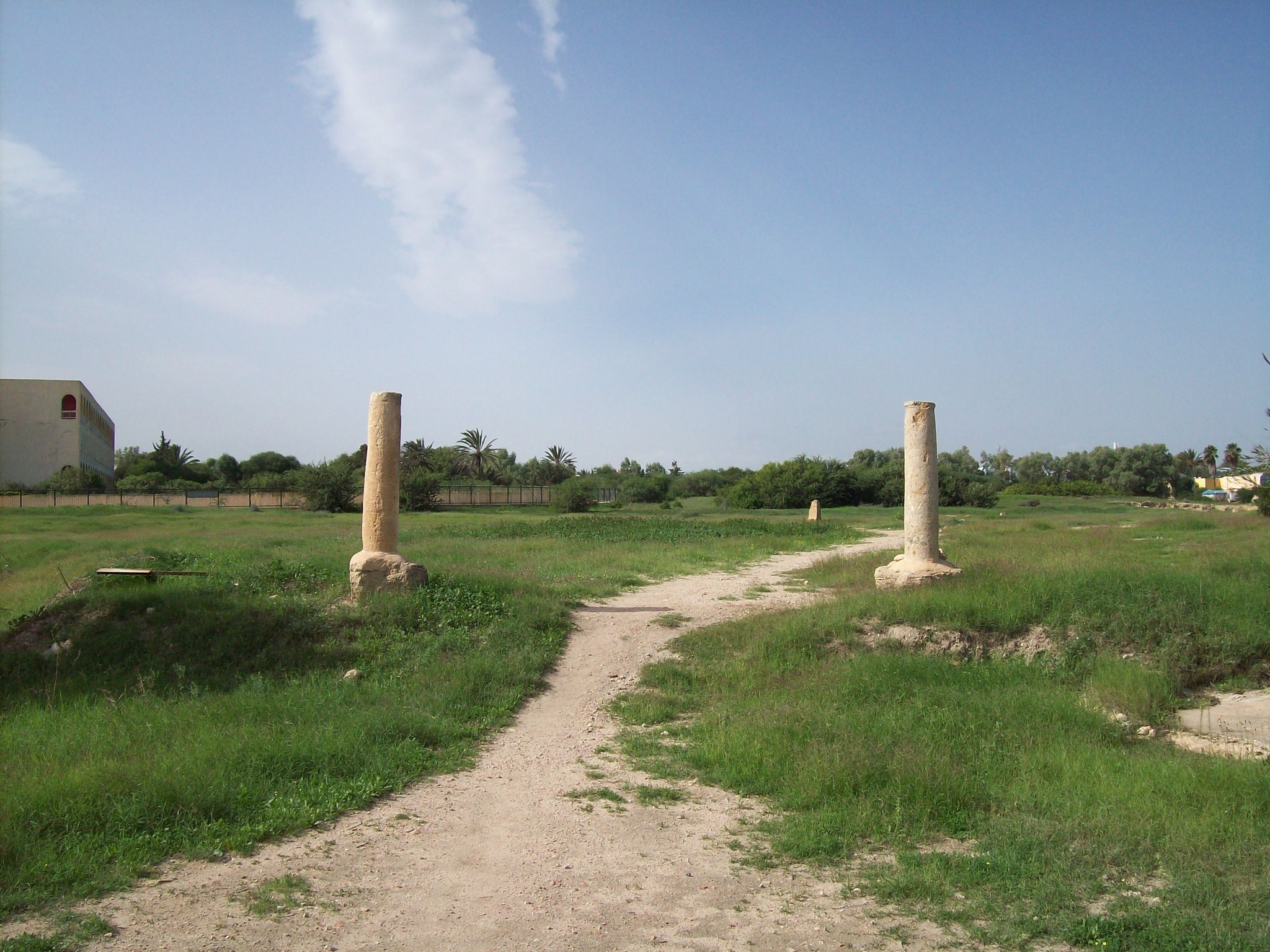
Pupput Archaeological Site, Hammamet Photo Gallery
Extremely motivated to constantly develop my skills and grow professionally. I try to build my knowledge, flexibility, and interpersonal skills through several projects and within different teams.
No Comment! Be the first one.