







Storm Harry Unveils Hidden Ruins on Nabeul’s Coast
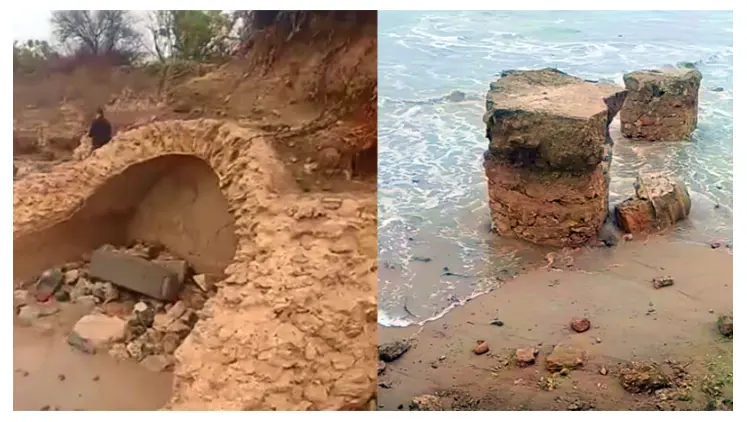
When Storm Harry hit Tunisia on the night of January 20–21, 2026, it caused widespread flooding and coastal damage along the Cap Bon peninsula. Strong winds and a sharp drop in atmospheric pressure pushed seawater several meters inland, flooding roads and damaging homes. However, after the storm subsided and the sand settled, the residents of Sidi Mahrsi in Nabeul noticed something remarkable. Worked stone blocks, columns, and fragments of walls emerged from the stripped shoreline. These structures did not look like modern debris. Instead, they appeared to be part of ancient architecture. Soon, photographs and videos circulated on social media, prompting the question: could Storm Harry have revealed parts of the long-lost Punic-Roman city of Neapolis?
Table Of Content
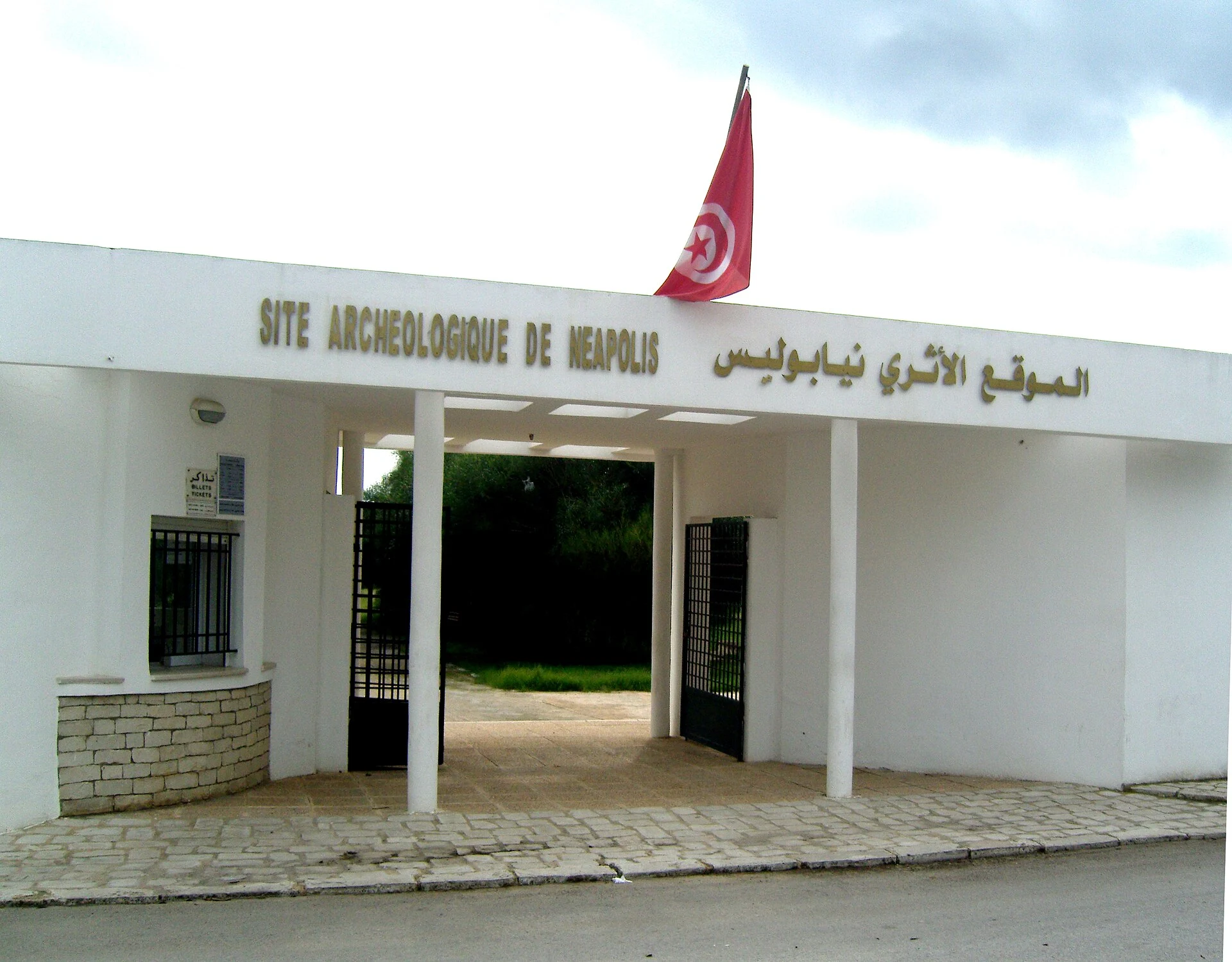
Neapolis: From Prosperous Port to Sunken City
Neapolis, meaning “New City” in Greek, developed from a Punic settlement into an important Roman colony. Its location along the coast made it a hub for maritime trade and industry. The city gained fame for producing garum, a fermented fish sauce that merchants exported across the Roman Empire. Workshops, processing vats, and ports lined the shoreline. Eventually, Neapolis earned the status of Colonia Julia Neapolis after supporting Julius Caesar, demonstrating its strategic and economic importance. Its streets, baths, and monuments reflected a thriving urban centre shaped by the sea. Therefore, the city’s prosperity depended directly on maritime commerce and its industrial activity.
The city’s fate changed on the morning of July 21, 365 AD. A massive earthquake struck near Crete in Greece. Modern studies estimate its magnitude at more than 8.5. The quake displaced enormous amounts of seawater, generating a tsunami that rushed across the Mediterranean. Ancient historian Ammianus Marcellinus described the sea withdrawing before surging back with destructive force. It flooded coastlines from Greece to North Africa and swept away cities, including Neapolis. Archaeological evidence suggests that about 20 hectares of the city were submerged under water within moments. The tsunami destroyed industrial quarters, ports, and urban structures. Unlike gradual sea-level rise, this was a sudden, violent event that permanently changed the coastline.
For centuries, Neapolis remained hidden underwater. Historical records mentioned it only occasionally. However, in the 21st century, Tunisian and Italian archaeologists used underwater surveys to rediscover its ruins. By 2017, teams confirmed the presence of streets, walls, monuments, and more than 100 large vats used for garum production. These finds proved that a significant portion of Neapolis sank due to the tsunami. Until now, these remains remained largely unseen except by divers and researchers.
Storms, Coastal Erosion, and Rediscovering History
Storm Harry has now created the possibility that parts of the city have briefly appeared on land. Coastal erosion usually destroys fragile archaeological remains, but in rare cases, powerful storms expose them. If these newly visible stones belong to Neapolis, they offer a rare glimpse of history without excavation. Experts, however, urge caution. Tunisia’s National Heritage Institute will assess the site to determine the age, context, and origin of the stones. Some structures could belong to later periods, reused materials, or coastal defenses. Only careful investigation will confirm whether the storm revealed parts of the lost city.
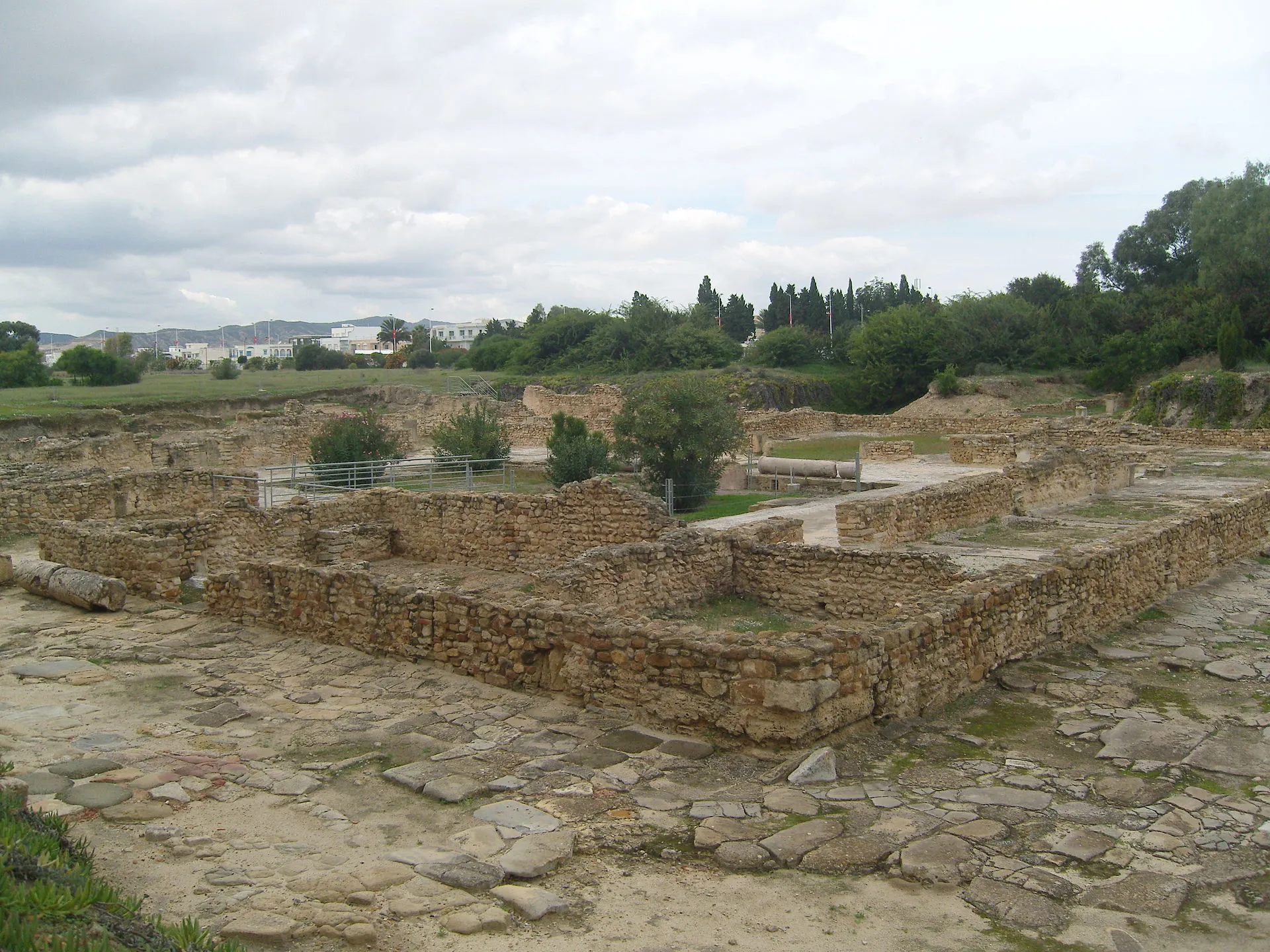
This event highlights the fragile relationship between cultural heritage and the changing climate. Rising sea levels, stronger storms, and accelerating erosion reshape Mediterranean coastlines. While these forces often destroy historical sites, they can also reveal them unexpectedly. For the residents of Nabeul, Storm Harry has provided a tangible link to the past. The sand of Cap Bon temporarily exposed stones that may not have seen daylight since the Roman era. Whether these remains are part of Neapolis or a later historical layer, they remind us that history is never completely lost. It waits beneath the surface, ready to resurface when nature removes the veil.
The Sinking of Neapolis: History and Cause
Date: Morning of July 21, 365 AD
Cause: A massive earthquake, estimated at over 8 on the Richter scale, centered near the Greek island of Crete, triggered a tsunami that swept across the Mediterranean, including the coasts of Tunisia and Alexandria, Egypt.
Extent of Destruction and Archaeological Discovery:
Flooding: Water covered approximately 20 hectares (around 50 acres) of the city.
Discovery: The city remained submerged for centuries until a Tunisian-Italian archaeological mission clearly identified its location in 2017 off the coast of Nabeul.
Found Features: Divers discovered streets, monuments, and over 100 vats used for garum production, confirming that Neapolis was a major economic hub before the disaster.




No Comment! Be the first one.